A Practical Local SEO Guide for Blackpool and Fylde Coast Businesses
Being found by nearby customers comes down to a handful of practical jobs done well. This guide covers Google Business Profile, local pages, reviews, citations, content and measurement for businesses across Blackpool and the Fylde Coast.
Key takeaways
- Google ranks local results on relevance, distance and prominence, so put your effort into the two you can influence.
- A complete, accurate Google Business Profile and genuinely distinct local pages work together across map and organic results.
- Ask every customer for a review, reply to them all and never buy, write or incentivise reviews.
- Measure calls, clicks, enquiries and reviews over months rather than relying on a single ranking check from your own desk.
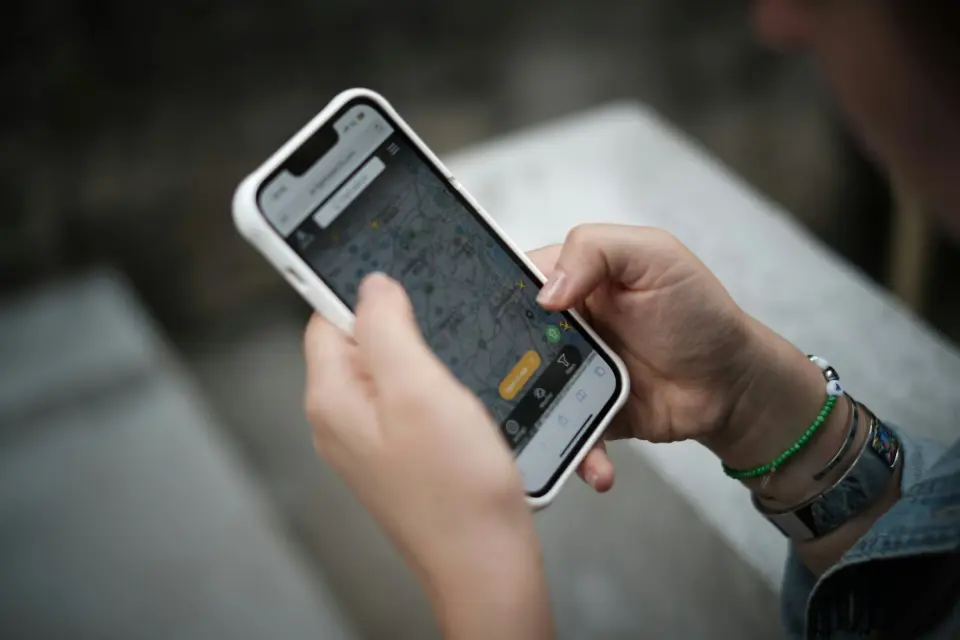
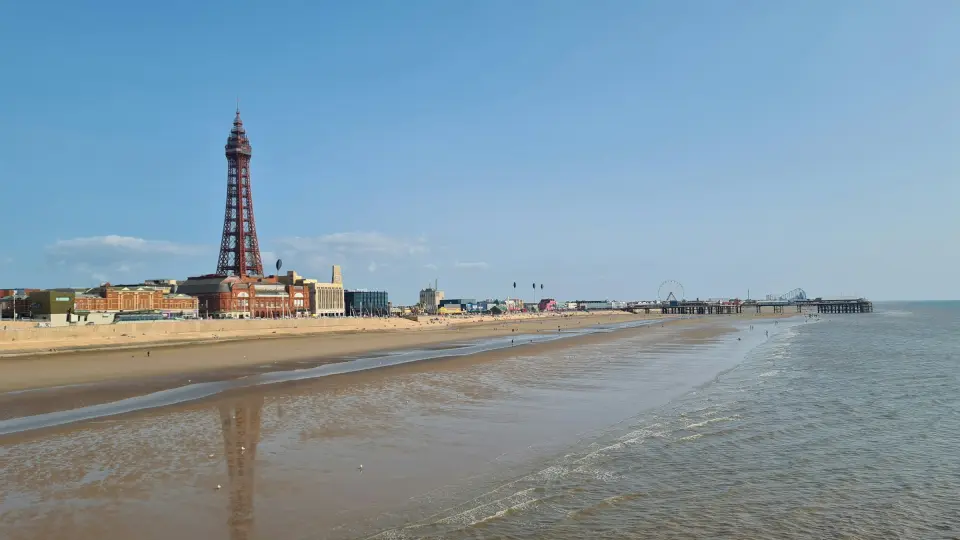
Most customers find a local business in much the same way: they pick up a phone, type what they need and a place name (or simply "near me"), and choose from the handful of options Google puts in front of them. For a plumber in Bispham, a café on the Promenade or an accountant in Lytham, appearing in that short list can be the difference between a busy week and a quiet one. This guide sets out the practical work that gives Blackpool and Fylde Coast businesses a better chance of being one of those options, and how to tell whether it is working.
How Google decides who appears locally
Google is unusually open about how local results work. It says they are based mainly on three things: relevance (how well your business matches what someone searched for), distance (how far you are from the searcher or the place they mentioned) and prominence (how well known and well regarded your business is, online and off).
You cannot change where a searcher is standing, so distance is largely out of your hands. A café near North Pier is unlikely to appear for someone in Fleetwood searching for "coffee near me", however good its profile is. Relevance and prominence are where the work lies, and they show up in two places on the results page: the map results, which draw heavily on your Google Business Profile, and the ordinary organic listings, which draw on your website. A good local strategy covers both, because each supports the other.
Start with your Google Business Profile
Your Business Profile is the most influential local asset you control, and it is free. Plenty of profiles are set up once and never revisited, which leaves an opening for any business willing to do the groundwork properly. The essentials:
- Primary category: choose the most specific category that describes your main business. It carries more weight than anything you write in the description.
- Business name: use your real-world trading name exactly as it appears on your signage. Adding keywords or place names breaches Google's guidelines and can lead to suspension.
- Address or service area: if customers visit you, show your address. If you travel to customers and do not serve them at your premises, hide the address and set a realistic service area instead.
- Hours: keep regular hours accurate and add special hours for bank holidays and seasonal changes.
- Services, products and photos: fill these in with real descriptions and real pictures of your premises, team and work.
If you would like a hand, our Google Business Profile optimisation service covers set-up, clean-up and ongoing management.
Build local pages that deserve to rank
Your website does the heavy lifting for organic results and reinforces the relevance of your profile. The key is a clear, useful page for each core service and, where it makes sense, pages for the places you genuinely serve.
Location pages are where many businesses go wrong. Copying one page and swapping "Blackpool" for "Poulton-le-Fylde" produces thin, near-duplicate content of the kind Google's spam policies describe as doorway pages, and it rarely helps. The towns along this coast are different: Lytham St Annes, Fleetwood, Thornton-Cleveleys and Poulton each have their own character, housing and customer needs, and a good page reflects that. You can see how we think about the area as a whole on our Fylde Coast page.
What a strong location or service page includes
- A clear explanation of the service as it applies in that area, written for the people who live or work there.
- Specific, accurate detail: the neighbourhoods you cover, typical jobs, and local considerations such as coastal weather on older properties or parking and access for visitors.
- Evidence of real work, such as photos of completed projects and genuine reviews from customers in that area.
- Straightforward answers to the questions customers actually ask you on the phone.
Get the site-wide basics right
A few technical details help Google connect your website with your profile:
- Show your business name, address (if you have a public one) and phone number consistently, usually in the footer and on the contact page.
- Add LocalBusiness structured data (schema markup) that matches your profile details.
- Write title tags and headings that mention the service and place naturally, once, without stuffing.
- Make sure the site loads quickly and works well on a phone, since so many local searches happen on the move.
Reviews: steady, genuine and answered
Reviews feed prominence and, just as importantly, they persuade people to choose you. What tends to help is a steady flow of recent, genuine reviews that describe the work you did, rather than a sudden burst followed by months of silence.
- Ask every customer, not only the ones you expect to be happy. Asking selectively, sometimes called review gating, is against Google's policies.
- Ask at the right moment, when the job is finished or the stay has gone well, and make it easy with a short review link or QR code.
- Reply to reviews, positive and negative, politely and promptly. Future customers read the replies.
- Never buy reviews, write them yourself or offer discounts in exchange. Fake and incentivised reviews breach Google's rules, and fake reviews are also prohibited under UK consumer protection law.
Citations and local links
A citation is any mention of your business name, address and phone number on another website, such as a directory or map service. They matter less than they once did, but inconsistent details still cause problems, particularly for businesses that have moved premises or changed phone numbers over the years.
- Check the main platforms first: Bing Places, Apple Business Connect (which feeds Apple Maps), Facebook, Yell and any directories specific to your trade.
- Correct old addresses and numbers wherever you find them, so every listing matches your profile.
- Skip bulk directory submissions. A handful of accurate, relevant listings is worth more than hundreds of low-quality ones.
Links from genuine local websites are more valuable still, because they show that real organisations in the area know and trust you. Good opportunities usually come from relationships you already have: suppliers and trade partners, local clubs or charities you support, events you take part in, business groups you belong to and local news coverage of something genuinely newsworthy. Avoid buying links to manipulate rankings; Google's spam policies prohibit it.
Create local content that answers real questions
Beyond your core pages, useful content gives Google more reasons to see you as relevant and gives customers more reasons to trust you. The best ideas come from your own enquiries, so think about the questions people ask before they buy:
- A roofer might explain what salt air and coastal winds do to roofs and render near the seafront, and how often they should be checked.
- A hotel or holiday let might publish an honest guide to getting around during the Illuminations, or where to park for a show at the Winter Gardens.
- A solicitor or accountant might write plainly about a process that local clients often find confusing.
- A wedding venue near Lytham might show real weddings with practical detail about timings, layout and suppliers.
Write from experience, include the kind of detail only someone who does the work would know, and keep pages up to date.
Measure what actually matters
Rankings are only part of the picture, and local rankings are slippery. Map results shift depending on where the searcher is, so checking from your own desk tells you little about what a customer two miles away sees. Focus on measures that connect to enquiries:
- Business Profile performance: calls, website clicks, direction requests and the searches that showed your profile.
- Google Search Console: which queries and pages earn clicks, and whether local searches are growing over time.
- Analytics: add UTM tracking to the website link on your profile so those visits are reported separately rather than mixed in with other organic traffic.
- Your own records: ask new customers how they found you and log the answer. It is simple and often the most revealing data you have.
- Reviews over time: track how many new reviews arrive each month and what they mention.
Review these monthly and judge progress over quarters rather than weeks. Local SEO builds gradually, and no one can honestly guarantee a particular position in the map results.
A sensible order of work
If you are starting from scratch, this order usually makes the best use of limited time:
- Claim, verify and fully complete your Business Profile.
- Fix inconsistent business details on your website and the main directories.
- Improve your core service pages, then add genuinely distinct location pages where you have something useful to say.
- Put a simple, consistent process in place for requesting and replying to reviews.
- Publish helpful content based on real customer questions, and build local relationships that earn links.
- Set up tracking and review the results every month.
Bringing it together
Local SEO is not complicated, but it rewards consistency. Businesses that keep their profile accurate, ask every customer for feedback and publish pages that reflect how they really work tend to build an advantage over competitors who set things up once and forget them. If you want an outside view of where your business stands, a free SEO audit is a practical place to start, or you can read more about our local SEO services for businesses across Blackpool and the Fylde Coast.
Frequently asked questions
It depends on how competitive your sector is and where you are starting from. Fixing an incomplete Business Profile or inconsistent details can show an effect within weeks, while content and reputation work builds over several months. Treat it as an ongoing programme rather than a one-off project, and judge progress by calls and enquiries over a quarter or more, not day-to-day ranking movements.
Only where you genuinely serve that town and have something specific to say about it. A page for Fleetwood should read differently from one for Lytham St Annes, because the customers, properties and questions differ. If all you can do is swap the place name, you are better off strengthening one good service page and listing the areas you cover on it.
Yes. Service-area businesses such as tradespeople, cleaners and mobile services can have a Business Profile without showing an address, provided they serve customers at the customer's location. You still verify with a real address, but it stays hidden and you set a service area instead. Visibility tends to be strongest nearest your base, so reviews, accurate categories and good local pages matter even more.
Related services